

Portfolio management doesn’t get enough love. It is one of the hardest parts of investing and is often left to the last to learn. But, it has arguably the biggest impact on your returns, much to many investors’ chagrin. Not the actual investments themselves (which do matter, but not as much as many believe).
Imagine the following scenario:
You’re in the U.S., investing through IRAs and a taxable account. You have a 20‑year horizon. You can live with 50% drawdowns. You prefer index funds, ETFs, and a few individual stocks. You want to hold for decades, Buffett‑style.
This guide is built for you.
It covers what portfolio management is, why it matters, how to start, what to look for as you build, and how these choices shape your returns.
Remember, education, not advice.
What is portfolio management?
Portfolio management is the process of choosing and maintaining a mix of investments that fits your goal, timeline, and risk limits. It sets rules for how you invest. It defines what you own, how much of it you own, and when you adjust.
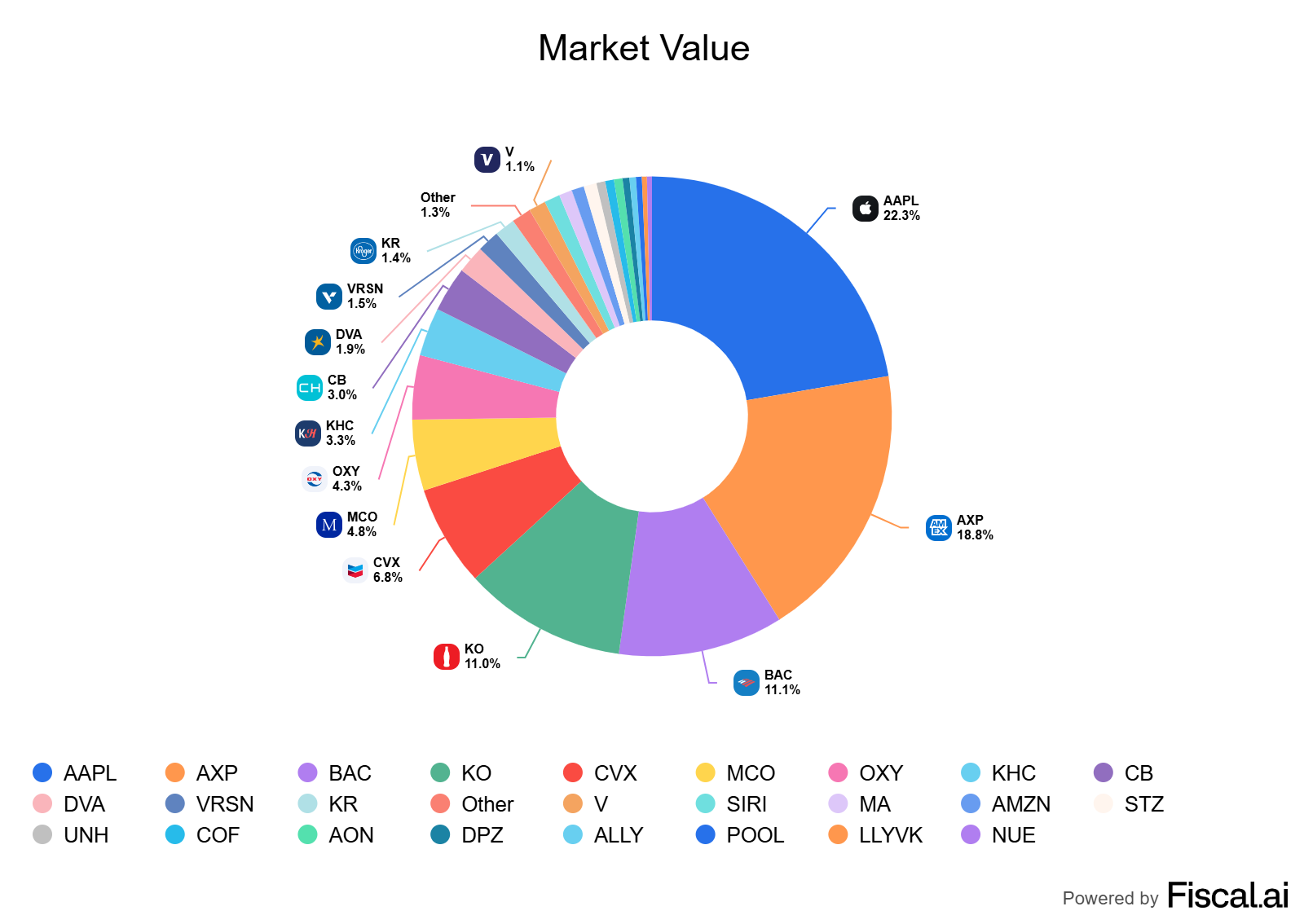
Warren Buffett’s portfolio is a fantastic example of the importance of both the investment and construction.
It is not about finding the one perfect stock. It’s about building a machine you can run through all markets.
Key questions it answers:
What is the money for and when will you need it?
How much pain can you stand on the way there?
What mix of assets matches that pain limit?
What will you buy, and how will you size each piece?
When and how will you rebalance?
Why portfolio management matters
It sets your outcome range. Your asset mix drives most long‑term results.
It protects your behavior. A plan reduces panic selling and FOMO buying.
It controls risk. Diversification and sizing keep one position from sinking the ship.
It lowers drag. Costs and taxes are a sure drain. A plan keeps them in check.
It makes compounding possible. Staying invested is the core edge. A plan helps you stay put.
How to start (tailored to your profile)
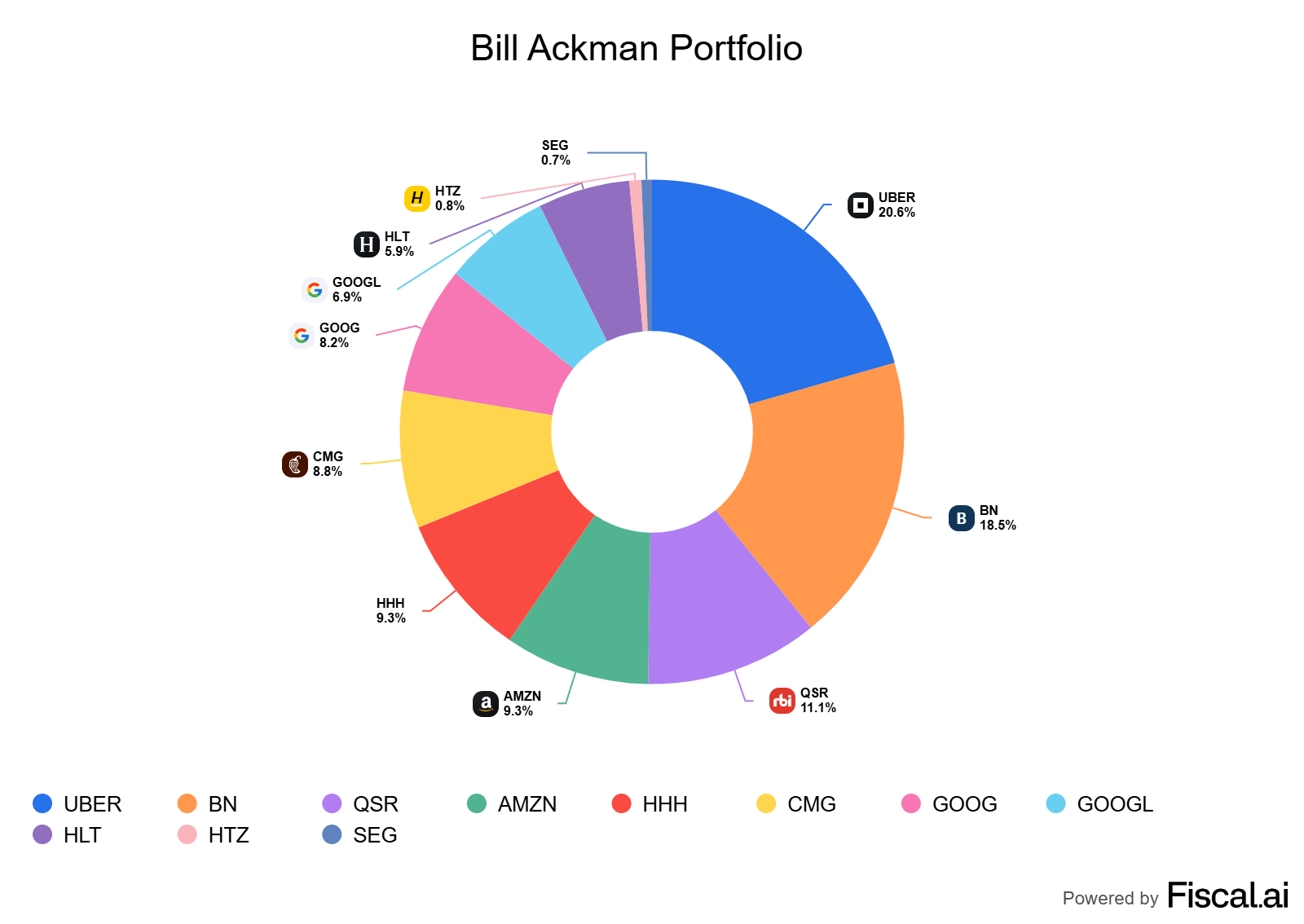
You have a long runway and high drawdown tolerance. That points to a stock‑heavy plan. Here’s a clean way to build it.
1) Define the goal and the runway
Goal: Retirement in ~20 years.
Runway: Long. That supports high equity exposure.
Cash needs: None soon from this pool. That means you don’t need a big bond buffer here.
Write this down. It guides every choice.
2) Set risk limits you can live with
You said you can live with a 50% drawdown. A 100% stock portfolio can drop 50–60% in rare bear markets. That is the right mental frame. Pre‑commit now: “If we hit a 40–50% drawdown, I will keep contributing and I will not sell.”
Keep a separate emergency fund. That keeps you from being a forced seller.
3) Choose your asset mix
Your tilt is stocks. You can go 90–100% equities and keep a small cash sleeve for flexibility. Within stocks, diversify by region, size, and style. You don’t need complexity to get broad exposure.
A simple stock‑first template:
100% equities (core + tilts), or 90–95% equities plus 5–10% cash/T‑Bills for calm and rebalancing ammo.
The “cash sliver” is optional. It can help you rebalance without tax sales. It also helps you sleep.
4) Select the building blocks
Core first. Tilts second. Stock picking last and small.
Core index funds/ETFs:
U.S. total market ETF (broad exposure).
International total market ETF (developed + emerging).
Simple factor tilts (optional, modest size):
U.S. small‑cap value.
U.S. quality.
Individual stocks:
A small satellite for your best ideas. Long holding periods.
Keep costs low. Keep the list short. Fewer, broader funds reduce overlap and churn.
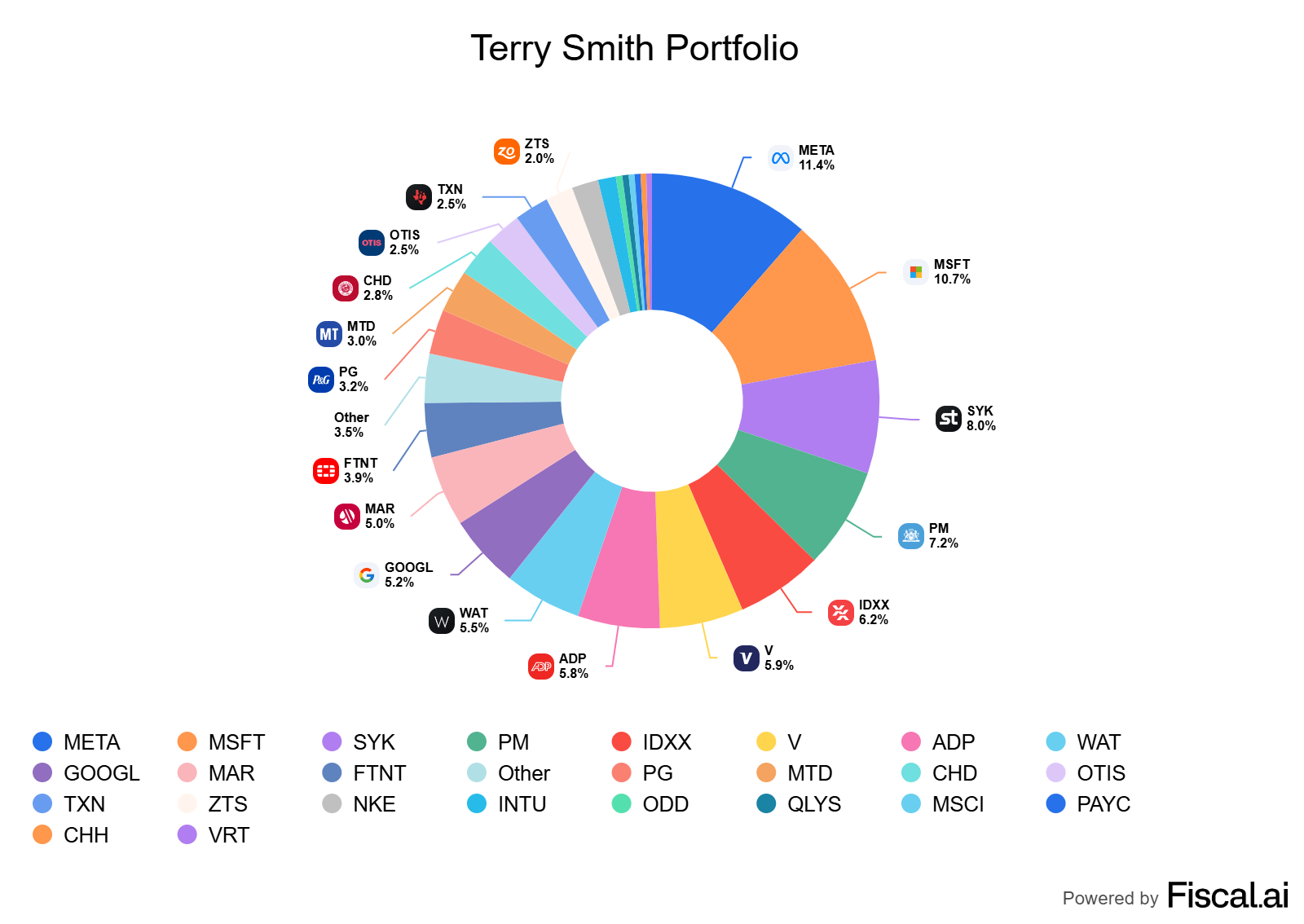
What to look for as you build (stock‑focused lens)
Costs
Expense ratios: Low is good. Broad index ETFs often cost 0.03%–0.10%.
Spreads: For ETFs, check tight bid‑ask spreads and decent volume.
Turnover: Buy‑and‑hold reduces trading costs and taxes.
Taxes (U.S., IRAs + taxable)
Asset location:
IRA: Less tax‑efficient funds (e.g., small‑cap value with higher distributions) fit well here.
Taxable: Broad, tax‑efficient ETFs shine here due to low turnover and qualified dividends.
Holding period: Aim for long‑term capital gains in taxable (1+ year).
Dividends: Favor ETFs with qualified dividends in taxable. Reinvest or redirect them based on your plan.
Loss harvesting: In taxable, harvest losses during drawdowns. Mind wash‑sale rules (avoid buying “substantially identical” shares 30 days before/after).
Diversification inside equities
Region: Don’t go all‑U.S. A simple 70% U.S. / 30% international stock split diversifies policy and currency risk.
Size: Add some small caps to diversify the big‑cap tech heavy U.S. market.
Style: A touch of value and quality can smooth the ride and may boost long‑term returns.
Avoid hidden overlap: Many U.S. funds own the same mega‑caps. Check top holdings.
Position sizing and concentration
Core funds: Large weights are fine.
Individual stocks:
At cost: Cap new buys to 3–5% per position.
At market: Let winners run, but watch single names above 10–15%. Above that, be intentional.
New idea rule: Only add if it can be a top‑tier holding for 5–10 years.
Avoid doubling down out of pride. Let the thesis, not the price drop, drive adds.
Liquidity
Use liquid, plain ETFs for core exposure.
Be cautious with niche or thin funds. They can be hard to exit in stress.
Behavior guardrails
Write a one‑page plan. State target weights, band limits, and what you’ll do in a 30%, 40%, 50% drawdown.
Automate monthly contributions. Do not time the market.
Check the portfolio on a set schedule (e.g., semiannual). Not daily.
How portfolio management shapes your returns
Asset mix sets your speed and bumps
More stocks mean higher expected return and deeper drawdowns. With 20 years and your drawdown tolerance, a stock‑heavy mix fits. The key is not max return at all costs. It’s max return you can stick with.
Diversification protects compounding
Big losses are compounding poison. A diversified stock sleeve can reduce the depth and length of pain versus a single sector or a few names. You still take hits. You recover faster.
Costs and taxes are certain
Markets are wild. Fees and taxes are not. A 0.50% fee gap over 20 years is huge. Smart asset location, low fees, and low turnover can add many tens of thousands to your end value.
Sequence risk still matters
Even with 20 years, the order of returns matters as you near retirement. In your last 3–5 years before withdrawals, consider building a small safety sleeve inside tax‑advantaged accounts. For now, it’s a note for future you.
Behavior is the edge
Many investors lose to their own emotions. Your edge is showing up, every month, through thick and thin. A simple, rules‑based, stock‑heavy plan supports that.
A stock‑first model you can use
Not advice. A simple template to illustrate weights, funds, and rules.
Target mix (100% equities):
70% U.S. total market
Examples: VTI (Vanguard), ITOT (iShares), SCHB (Schwab)
20% International total market
Examples: VXUS (Vanguard), IXUS (iShares), SPDW+SPEM combo if needed
5% U.S. small‑cap value tilt
Examples: VBR (Vanguard), AVUV (Avantis), IJS (iShares)
5% U.S. quality tilt
Examples: QUAL (iShares), VFQY (Vanguard factor), SPHQ (Invesco)
Optional variant if you want a cash sleeve:
92–95% equities as above, 5–8% cash/T‑Bills (for rebalancing and calm).
Individual stocks satellite (within the same 100% equity pie):
Carve 10% of total equities for single names, funded by trimming the U.S. core.
Position rules:
New buys 3–5% max each.
Total single‑stock sleeve capped at 10%.
Add only to high‑conviction names with clear, durable edges.
Suggested “Buffett‑leaning” stock checklist:
Simple business you understand.
Durable moat (cost edge, network, brand, or switching costs).
Consistent free cash flow and healthy margins.
Low to moderate debt. No fragile balance sheet.
Honest, rational capital allocation (buybacks when cheap, smart reinvestment, sensible M&A).
Reasonable price relative to cash flows and growth. “Wonderful company at a fair price.”
Will you be happy to hold it through a 40–50% drop? If not, pass.
Contribution plan
Automate monthly buys into target weights.
If you get a lump sum, deploy on a schedule (e.g., 4–6 tranches over 3–6 months) if it helps you stick with it. Over long spans, lump sum is fine too. Pick the method that keeps you invested.
Monitoring and maintenance
Quarterly glance, semiannual review.
What to review:
Allocation vs targets.
Costs and any cheaper fund options.
Tax efficiency (dividend yields, distributions).
For stocks: Has the thesis changed? If not, do nothing.
What not to do:
React to headlines.
Swap funds because of one bad year.
Chase last year’s winners.
Where to hold what (asset location)
IRA:
Small‑cap value and factor funds (often higher distributions).
Any active fund you choose to use.
Rebalancing trades (no tax friction).
Taxable:
U.S. and international total market ETFs (low turnover, qualified dividends).
Individual stocks (you control gains timing; can donate appreciated shares; can harvest losses).
Use specific lot ID for sales in taxable. That gives you control over gains or losses. Mind the foreign tax credit for international ETFs held in taxable.
Common pitfalls to avoid
Owning too many overlapping funds. Two or three core ETFs cover the globe.
Letting a single stock grow to a risky share without a plan.
Reaching for yield. High yield often hides credit or duration risk.
Switching strategies after a bad year. Every style underperforms sometimes.
Ignoring tax placement until April. Decide placement up front.
Forgetting fees on “smart” products. Many factor or theme funds are pricey.
Bringing it all together
You have a long horizon and strong stomach. That supports a stock‑heavy plan.
Build around low‑cost, broad index ETFs.
Add small tilts to small‑cap value and quality if you like.
Keep individual stocks to a modest sleeve with clear rules.
Automate contributions.
Write down what you will do in big drawdowns. Then do only that.
Do these simple things well, and you will likely beat most investors who make it complicated. More importantly, you will stick with your plan when it matters most.
Obviously this is a simplified plan and meant as a guide. You can adjust the types of assets you wish to buy. For example, if you want more individual stocks, reduce some of the allocations to ETFs. Or if you need more safety, you can look at bond funds or money market accounts.
It all needs to be tailored to your risk profile and needs. This is meant as a starting point only. I personally allocate over 90% of my money to individual stocks as that works for my risk profile. You do you.
Awesome Article
Good Reference
For Everyone
This is the greatest article ever